

Budgeting for a dental office design project is one of the most important and most misunderstood steps in building or renovating a practice. Whether you're opening your first office, expanding into a larger space, or finally giving an outdated practice the refresh it deserves, understanding the true cost of design from the start can be the difference between a smooth, successful project and a stressful, over-budget ordeal.
At Curate Studios, we work alongside dentists at every stage of the process. One of the most common things we hear from new clients is, "I wish I had known this sooner." This guide is designed to help you go in with eyes wide open, so you can plan smarter, invest wisely, and ultimately create a space that works hard for your practice.
Too many dentists begin a design or construction project without a realistic picture of what it will cost. They receive a contractor estimate, add a rough number for furniture, and assume the rest will fall into place. It rarely does.
The real cost of building or renovating a dental office involves far more than what shows up on a construction bid. When you understand the full picture early (design fees, construction, equipment, finishes, and the hidden costs few people talk about), you can make confident decisions instead of reactive ones. More importantly, you protect your timeline, your budget, and your sanity.
Planning ahead isn't just a best practice. It's the foundation of a project that actually goes well.
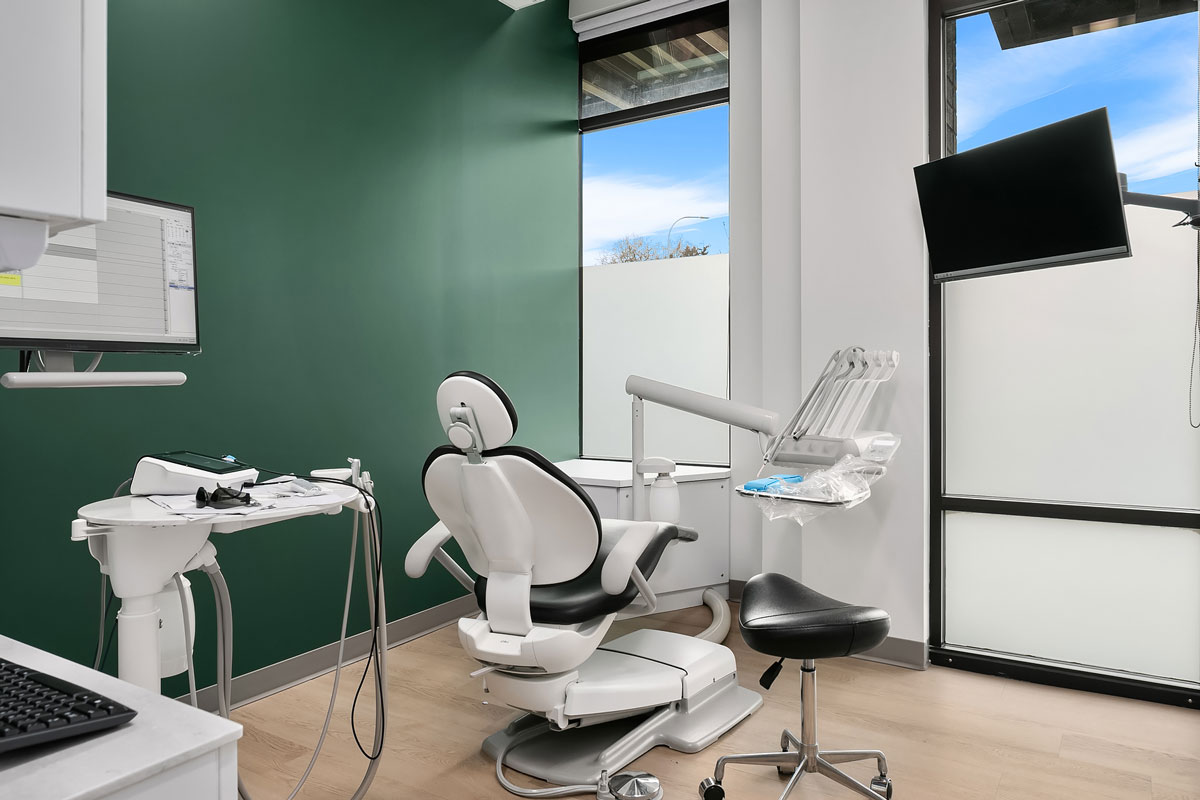
There's no single number that applies to every dental office project. Costs vary significantly depending on the scope of work, the size of the space, your location, and the specific goals of the project. That said, it helps to understand the general landscape so you can calibrate your expectations early.
Startup / New Build-Out: For a dentist opening a brand-new office in a leased shell space, build-out costs (excluding equipment) often range from $150 to $300+ per square foot, depending on the level of finish and complexity. A 2,000–3,000 sq. ft. office is typical for a general dentistry startup, which puts total build-out investment in the range of $300,000 to $900,000 or more before factoring in dental equipment and technology.
Renovation / Remodel: Refreshing or modernizing an existing space is generally less expensive than a ground-up build-out, but it can carry its own surprises. Older buildings in particular may have outdated plumbing, electrical systems, or ADA compliance issues that need to be addressed. Budget accordingly.
Expansion: Adding operatories or square footage to an existing practice tends to be more predictable in scope but still requires careful coordination across design, construction, and equipment installation to avoid disrupting your current operations.
The best way to develop a realistic budget is to engage your design and construction partners early, ideally before you sign a lease.
Understanding where your money goes is the first step to managing it well. Here's how a typical dental office design budget breaks down.
Professional interior design fees typically represent a small percentage of your total project investment, yet they have an outsized impact on the outcome. A qualified designer who specializes in dental and healthcare spaces will help you optimize your floor plan for efficiency, select materials and finishes that hold up in a clinical environment, manage vendor relationships, and keep the project on course from concept through completion.
At Curate Studios, design fees vary based on the scope and size of the project. What our clients consistently tell us is that the design investment pays for itself: in time saved, costly mistakes avoided, and a finished space that actually reflects their vision.
Construction is typically the largest line item in any dental office project. This covers general contracting, framing, plumbing (a significant cost given the number of water connections in a dental office), electrical, HVAC, drywall, flooring installation, millwork, and cabinetry.
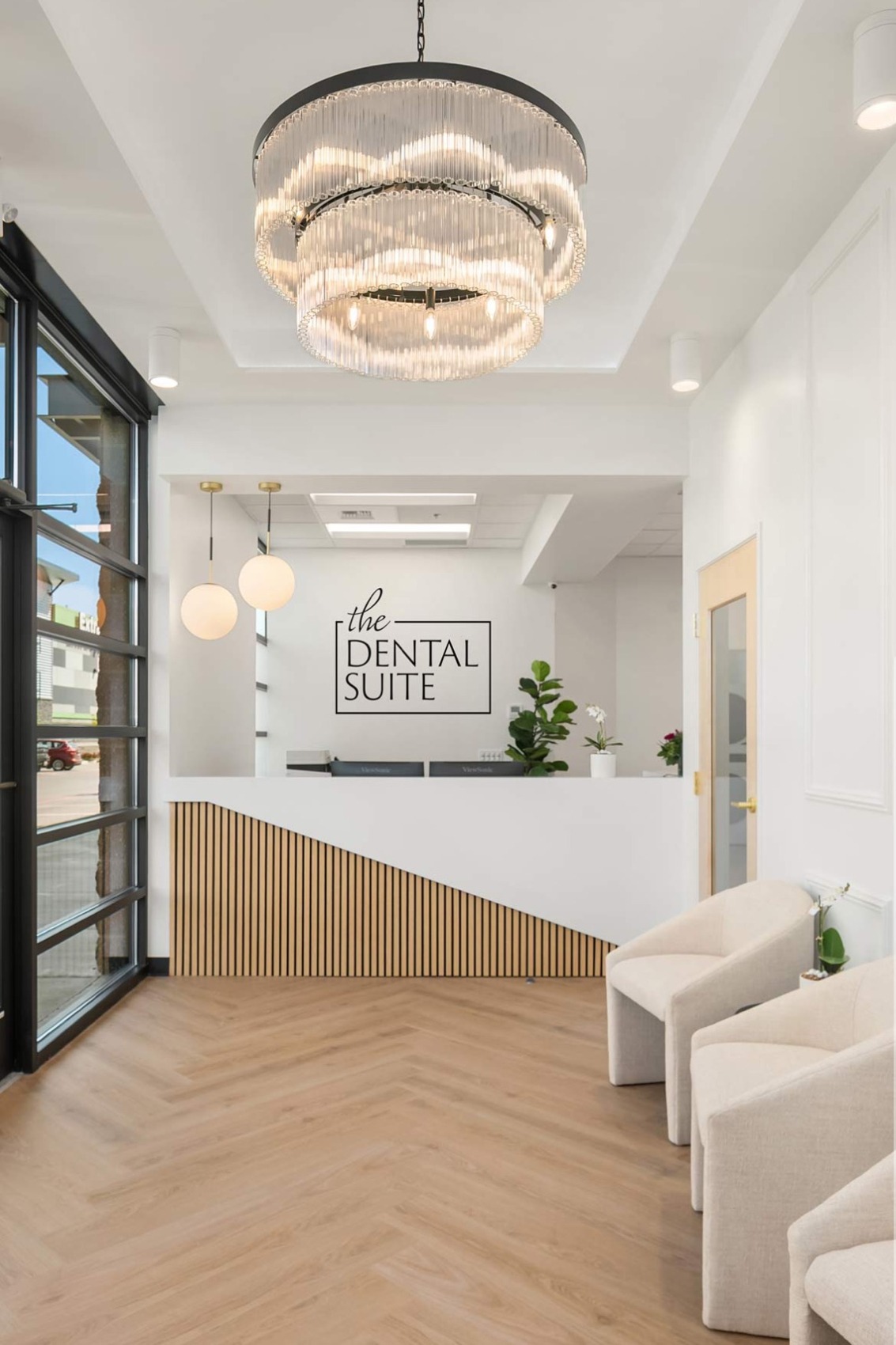
Dental-specific plumbing, including operatory water lines and vacuum systems, adds complexity and cost that standard commercial construction doesn't account for. This is why working with a contractor who has dental experience matters. Mistakes in this phase are expensive and sometimes irreversible.
Dental equipment (chairs, delivery units, x-ray systems, sterilization equipment, etc.) is a major investment on its own, often ranging from $150,000 to $500,000+, depending on the number of operatories and the technology you choose.
Beyond clinical equipment, don't underestimate the cost of furnishing your reception area, consultation room, staff lounge, and private office. Well-chosen furniture is a direct extension of your brand. Patients notice, and so does your team.
Lighting and finish selections are where the design really comes to life, and where the character of your practice is established. These choices communicate your brand before a patient ever sits in a chair.
Quality finishes don't have to mean the most expensive options. A skilled designer knows how to allocate your finish budget strategically, investing where patients will notice and pulling back where they won't.
Not every dollar in a dental office design budget carries equal weight. Here's how we typically guide our clients when priorities need to be set.
Splurge on:
Save on:

Even well-prepared clients encounter costs they didn't anticipate. Here are the ones we see most often.
Decision-making delays. Every week, a project sits idle because a decision hasn't been made, costing money in contractor fees, extended timelines, and sometimes lease payments on a space you're not yet occupying. Making selections early and decisively is one of the most powerful things you can do to protect your budget.
Change orders. Changes made after construction begins are almost always more expensive than decisions made before. A change order that would have cost nothing in the design phase can cost thousands once walls are up. This is the single strongest argument for investing in thorough upfront planning.
Coordination gaps. When the designer, contractor, and equipment vendor aren't communicating well, things get missed. Water lines end up in the wrong place. Cabinetry doesn't account for equipment dimensions. These errors are costly and stressful to fix. Working with a designer who serves as a liaison between all parties is one of the most valuable things they do.
Permitting and inspections. Many first-time practice owners underestimate the time and cost associated with permits, inspections, and code compliance. In some municipalities, this process takes months and adds meaningful cost. Build it into your timeline and budget from the start.
There's a common misconception that projects go over budget because of unexpected events. In reality, most overruns are caused by delayed decisions, poor coordination, and insufficient planning at the outset. Here's how to avoid them.
Engage your design and construction partners early. Ideally, before you sign a lease. A designer who can review a space before you commit to it can identify potential problems (like a floor plan that won't accommodate your operatory count) before they become expensive realities.
Make your selections on time. Every project has a critical decision timeline. When material selections, equipment specifications, and finish choices are made on schedule, construction can proceed without interruption. When they're delayed, everything downstream shifts.
Build a contingency into your budget. A 10–15% contingency is standard practice for commercial construction projects. If you don't need it, great. If you do (and most projects encounter at least one surprise), you'll be grateful it was there.
Work with partners who have done this before. Dental office design is a specialized niche. A designer who understands dental workflow, infection control requirements, and equipment integration will catch issues that a generalist designer simply won't.
It's easy to think of interior design as a cosmetic expense. The data and the experience of our clients tell a different story.
Patients make subconscious judgments about the quality of your care based on the environment. A well-designed, modern office signals competence and professionalism. Patients in a space that feels polished and intentional are more likely to trust your recommendations and say yes to treatment.
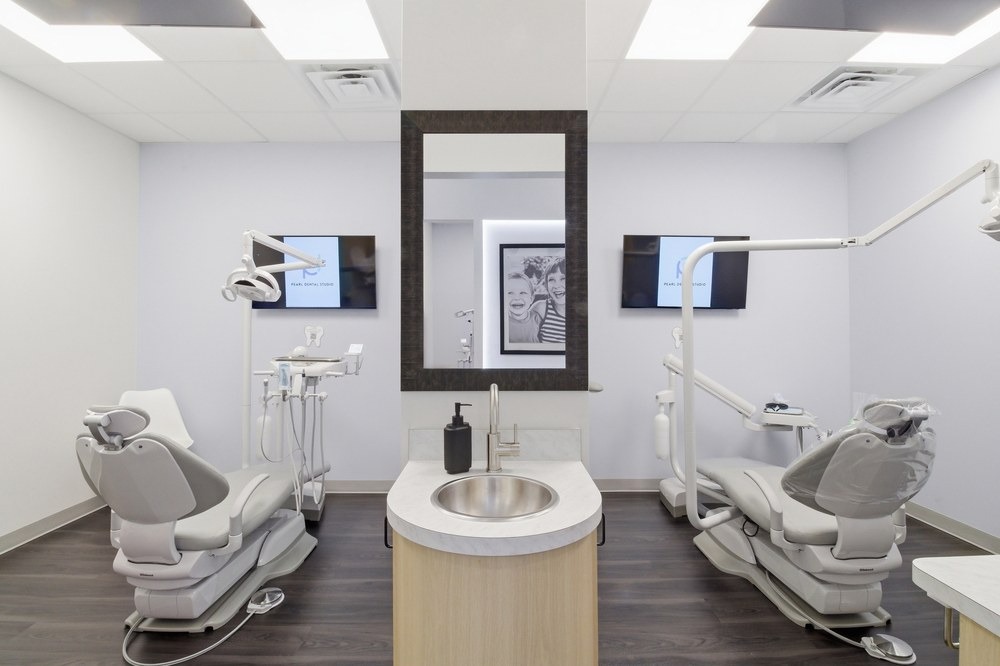
People talk about experiences. When your office feels genuinely welcoming, warm, calm, and beautifully designed, patients remember it and share it. In a competitive market, that word-of-mouth is worth far more than any advertising spend.
Your office is your most tangible brand asset. It tells patients who you are before you say a word. A practice that invests in its environment communicates that it also invests in its patients.
Your team spends more time in your office than anyone. Thoughtful layout, ergonomic workspaces, and an environment that feels good to work in directly affect morale, efficiency, and staff retention. Happy, productive teams deliver better patient care.
Some dentists attempt to manage their own office design projects, selecting their own finishes, coordinating directly with contractors, and piecing together the process on their own. It's understandable. You've built a successful practice. How hard can it be?
The honest answer: harder than it looks, and more expensive when it goes wrong.
Professional dental office designers bring specialized expertise in dental workflow, material durability, infection control compliance, equipment coordination, and space planning that simply isn't available from a generalist or a DIY approach. They also bring vendor relationships, project management systems, and the experience of having done this dozens of times.
The time you spend managing a design project is time you're not in the operatory. For most dentists, that trade-off doesn't make financial sense. More importantly, the decisions made in the design phase shape your practice for a decade or more. Getting them right the first time is worth the investment.
We believe strongly in the value of professional design, but we also believe in being honest with our clients.
If you're doing a very minor cosmetic refresh (new paint, a few new pieces of furniture, updated artwork) and you have a strong sense of your own aesthetic, you may not need a full-service designer. Similarly, if your budget is extremely constrained and you're prioritizing clinical function over environment, focusing your resources elsewhere may be the right call for now.
For anything involving a new build-out, a significant renovation, a layout change, or a complete rebrand of your patient experience, professional design is almost always worth it.
The most successful dental practices we've worked with share a common thread: their owners understand that their physical environment is not overhead. It's infrastructure. It's the stage on which every patient interaction takes place. It shapes how patients feel, how your team performs, and how your brand is perceived.
When you approach your design project with that mindset, and when you plan carefully, budget realistically, and partner with experienced professionals, the investment pays dividends for years to come.
If you're thinking about a new office, a renovation, or even just starting to explore what's possible, we'd love to connect. Schedule a Discovery Call with the Curate Studios team and let's talk about what your ideal space looks like.
Curate Studios is an award-winning interior design firm specializing in dental and healthcare offices across the United States. Led by Registered Interior Designers Corey Davey and Hugh Scarbrough, we bring creativity, functionality, and deep industry expertise to every project.